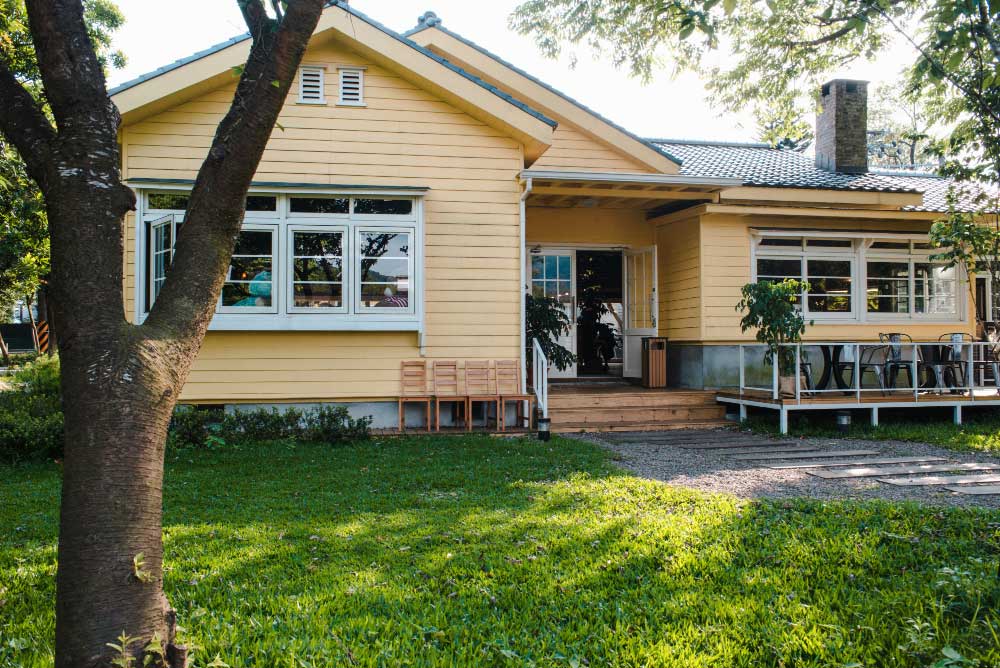
Few projects refresh a home’s façade as dramatically as exterior house painting. With longer daylight hours, typically dry weather, and plenty of motivation to boost curb appeal, summer is a prime window for homeowners across Maryland and the Mid-Atlantic to give their siding, trim, shutters, and doors a new lease on life. Still, working with higher temperatures and humidity takes planning. This guide walks you through timing, prep, product selection, and long-term care so your refreshed exterior stands up to everything the season throws at it.
Why Summer Is the Right Time to Paint
Dry, warm conditions help paint cure properly, especially when compared with cold or damp months. Mid-Atlantic summers can range from balmy to sweltering, but the season still offers the kind of weather windows needed for exterior house painting. Aim for days where temperatures stay between 60°F and 85°F and humidity remains under 70 percent. That balance prevents blistering or flashing, both common issues when latex paints dry too fast or not fast enough.
Summer also lets homeowners tackle the job without juggling school-year schedules or holiday travel. With more daylight, it’s easier to fit prep work and painting into manageable segments, reducing the temptation to rush.
Evaluate the Exterior Before You Start
Successful paint jobs begin long before the first brush stroke. Take a methodical walk around your property and note any red flags:
- Peeling paint: Scrape loose layers to expose a sound base.
- Cracked caulking: Seal gaps around windows, doors, and trim to prevent moisture intrusion.
- Wood rot or insect damage: Replace compromised boards before painting.
- Mildew or algae: Treat affected areas with a solution specifically formulated for exterior surfaces.
Documenting the condition of fascia, soffits, siding, and trim helps you prioritize repairs and estimate the scope of work. When in doubt, schedule a professional inspection; early detection of underlying issues like hidden rot or loose flashing keeps surprises at bay.
Choose Paints and Primers Built for Summer Weather
Paint technology has advanced significantly. Look for formulations marked “exterior” with UV blockers, mildew resistance, and flexible resins that expand and contract with temperature swings. High-quality 100% acrylic paints tend to perform well in Maryland’s climate because they resist fading and adhere tightly over time.
If you’re switching from oil-based to latex or painting over bare wood, invest in a compatible primer. Primers even out porosity, ensure color accuracy, and enhance adhesion. Tinting primers toward your topcoat shade also improves coverage, especially when moving from dark to light hues.
Prep Like a Pro
Preparation is where exterior house painting succeeds or fails. Here’s a sequence that keeps things orderly:
1. Wash the surfaces. Remove dirt, pollen, spider webs, and chalking with a gentle detergent wash or a low-pressure cleaning.
2. Scrape and sand. Eliminate flaking paint, feather edges, and scuff glossy spots so new coatings bond.
3. Repair and fill. Use exterior-grade fillers or epoxy to address nail holes, hairline cracks, and minor imperfections.
4. Prime strategically. Spot-prime repaired patches, raw wood, and highly weathered sections.
5. Mask areas. Protect windows, hardware, shingles, and landscaping with plastic sheeting or painter’s tape.
Allow enough drying time between steps. Rushing from washing to painting without adequate ventilation can trap moisture under the new film.
Apply Paint for Smooth, Even Coverage
Work in the shade whenever possible. Direct sun can cause lap marks because paint skims over before you can blend edges. Start on the sunniest side in the early morning so those sections dry before afternoon storms roll in. Use a combination of brushes for trim, rollers for broad siding, and sprayers for detailed features—always back-brushing sprayed areas to ensure proper penetration.
Apply at least two coats, adhering to the manufacturer’s recommended dry times. Resist the urge to paint when rain is forecast within 24 hours or when the surface temperature drops below 50°F overnight. Patience is your ally; rushed work often leads to premature failure.
Maintain the Finish Year-Round
A freshly painted exterior still needs regular care. Rinse siding lightly every spring, inspect caulking, and touch up areas where severe weather has chipped or scuffed the surface. Keep shrubs trimmed away from walls to promote airflow and reduce moisture retention. With minimal upkeep, a premium paint job should last 8–10 years on wood siding and even longer on fiber cement.
When to Bring in a Professional
Exterior painting might seem straightforward, but working at height, dealing with lead paint on older homes, or coordinating around intricate architectural features can complicate matters. Professional painters have the scaffolding, safety gear, and experience to deliver lasting results swiftly. They also understand how to work around summer rain patterns, identify hidden structural problems, and select paints tailored to your substrate.
Ready to give your home a resilient finish that can handle summer storms and year-round exposure? Contact Handyman On Call today to schedule your exterior painting consultation and keep your curb appeal sharp all season.