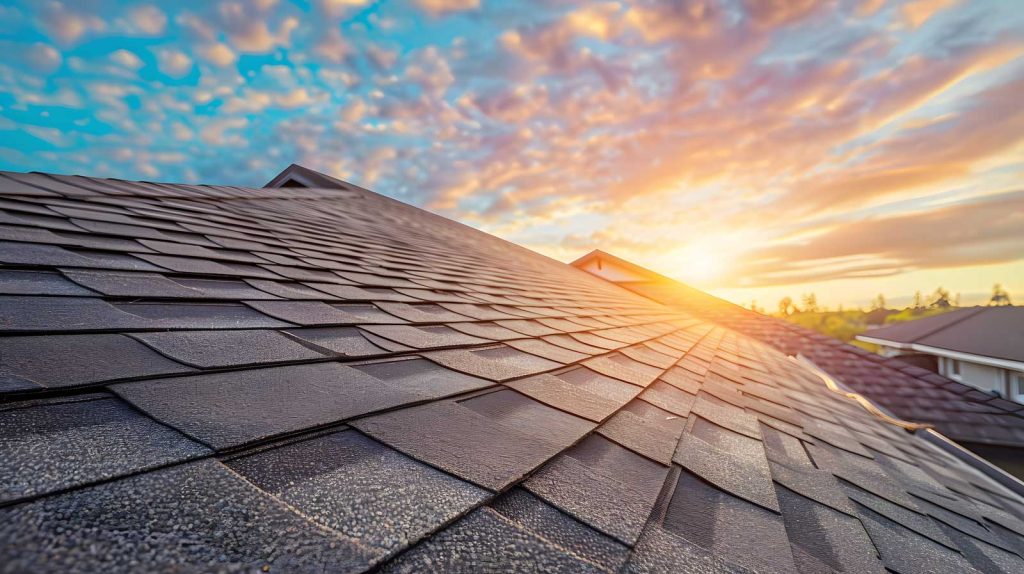
When winter settles in, your home faces a daily endurance test. Freezing temperatures, wind, snow, and moisture all press against your exterior, looking for weak points. Weatherproofing is what stands between cozy comfort and rising energy bills.
If your house feels drafty, unevenly heated, or harder to keep warm, it may be time to focus on professional weatherproofing services.
What Is Weatherproofing?
Weatherproofing is the process of sealing and protecting your home against outside elements. It strengthens the building envelope so cold air stays out, warm air stays in, and moisture does not sneak into places it should not be.
Unlike large renovations, weatherproofing focuses on strategic improvements that make an immediate difference in comfort and efficiency.
Why Weatherproofing Matters in Winter
Cold air infiltration is one of the biggest reasons heating systems work overtime. Even tiny cracks around windows, doors, siding, or foundation lines can allow constant air exchange.
The result?
Higher utility bills
Cold spots near walls and floors
Drafts around windows and doors
Increased wear on HVAC systems
Potential moisture buildup inside walls
During winter, the temperature difference between indoors and outdoors makes air leaks more noticeable. That is why this season is actually ideal for identifying and fixing them.
Key Areas That Need Weatherproofing
A professional handyman will typically inspect the most vulnerable parts of your home, including:
Windows and door frames
Weather stripping and thresholds
Exterior siding seams
Foundation cracks
Attic access points
Utility penetrations such as vents and piping
Gutters and roof edges
Sealing these areas prevents cold air intrusion and reduces the risk of water damage caused by melting snow and ice.
The Hidden Cost of Ignoring Air Leaks
A small gap may not look like much, but collectively, air leaks throughout a home can equal leaving a window partially open all winter long. That constant exchange forces your heating system to cycle more frequently.
Over time, this increases energy consumption and adds unnecessary strain to equipment. Weatherproofing helps stabilize indoor temperatures, meaning your home heats more efficiently and maintains comfort longer.
Moisture Protection Is Just as Important
Winter weather is not only about cold air. Snow accumulation and freeze-thaw cycles can push moisture into small openings. When water enters and freezes, it expands. This expansion can widen cracks, loosen materials, and cause long-term structural damage.
Weatherproofing includes sealing exterior gaps and reinforcing vulnerable areas so moisture cannot penetrate the structure. Preventative action now helps avoid expensive repairs later.
Interior Comfort Starts Outside
Many homeowners focus on insulation inside walls but overlook exterior sealing. True comfort depends on both working together.
Proper weatherproofing reduces drafts near baseboards, prevents icy floors near exterior walls, and helps maintain consistent temperatures across rooms. The result is a home that feels balanced rather than battling the outdoors.
Professional Weatherproofing vs. DIY Fixes
While temporary DIY solutions may help in small areas, professional weatherproofing ensures long-term performance. Proper materials, correct sealing techniques, and attention to structural details make a noticeable difference.
An experienced handyman knows where hidden leaks typically occur and how to address them efficiently.
Prepare Your Home for the Rest of Winter
If your home feels colder than it should, weatherproofing may be the missing layer of protection. Addressing drafts and moisture vulnerabilities now can lower energy costs and improve indoor comfort for the remainder of the season.
Handyman On Call provides professional weatherproofing services designed to keep your home secure, efficient, and comfortable. A thorough inspection and targeted repairs today can prevent larger problems tomorrow.
Stay warm, stay protected, and let your home stand strong against whatever winter brings.