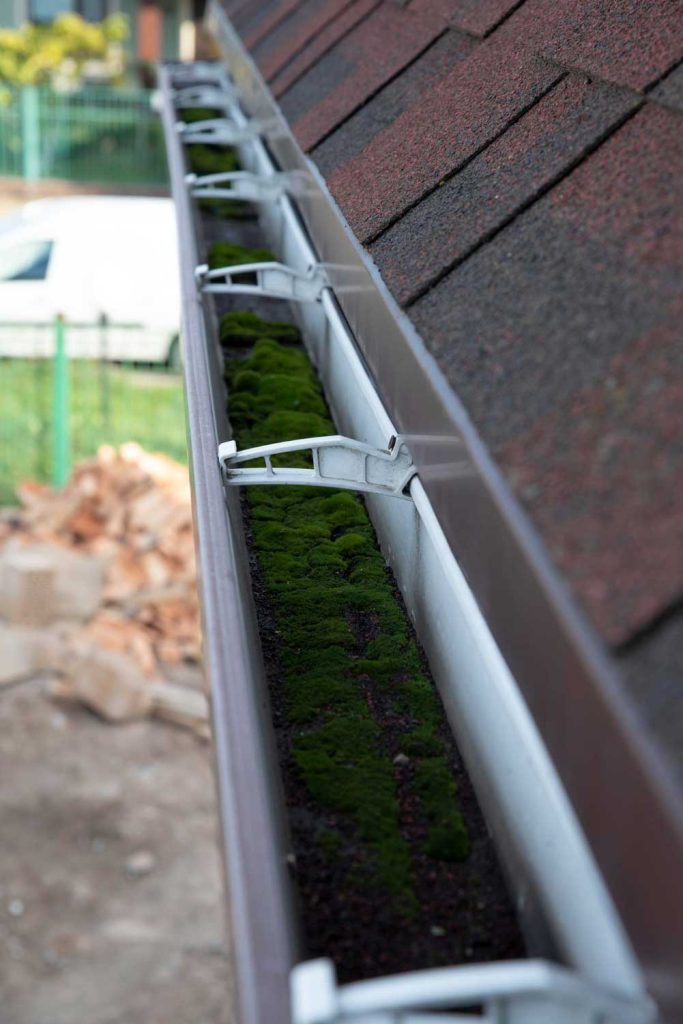
Mold is one of those topics that often causes confusion and concern. While not every dark spot or musty smell means there is a serious problem, mold thrives in moisture, and moisture problems should never be ignored.
Mold testing is most useful when there are signs that something may be wrong beneath the surface. Persistent odors, recent water damage, unexplained allergy symptoms, or visible growth that keeps returning are all indicators that further investigation may be needed. Testing helps determine the presence and type of mold, as well as the severity of the issue.
One common misconception is that mold only appears after major flooding. In reality, small leaks, high humidity, and poor ventilation can create the perfect environment for growth. Bathrooms, basements, laundry rooms, and attics are particularly vulnerable areas, especially when airflow is limited.
Testing is not about creating fear. It is about gaining clarity. Knowing whether mold is present allows homeowners to make informed decisions about next steps. In some cases, the solution is as simple as fixing a leak and improving ventilation. In others, professional remediation may be necessary to fully address the problem.
Ignoring mold concerns rarely makes them go away. Mold can spread behind walls and under flooring, where it remains hidden while continuing to grow. Over time, this can impact indoor air quality and damage building materials.
A thoughtful approach to mold testing helps homeowners understand their home’s condition rather than guess at it. When moisture issues are addressed promptly and correctly, mold problems become much easier to manage and prevent.