Your roof works nonstop, shielding your home from rain, wind, sun, and seasonal changes. Because it does its job quietly, it is easy to forget about it until something goes wrong. Unfortunately, roofing problems rarely appear overnight. They start small and grow steadily when left unchecked.
Loose or missing shingles are one of the most common early warning signs. After heavy wind or storms, shingles can shift slightly or lift at the edges. While this may not cause an immediate leak, it exposes the underlayment to moisture. Over time, water seeps in and damages the roof deck, insulation, and even interior ceilings.
Flashing is another area homeowners often overlook. Flashing seals the joints around chimneys, vents, and skylights. When it cracks or separates, water finds an easy entry point. Because flashing failures usually happen in hidden areas, leaks can travel through walls before becoming visible indoors, making repairs more extensive and costly.
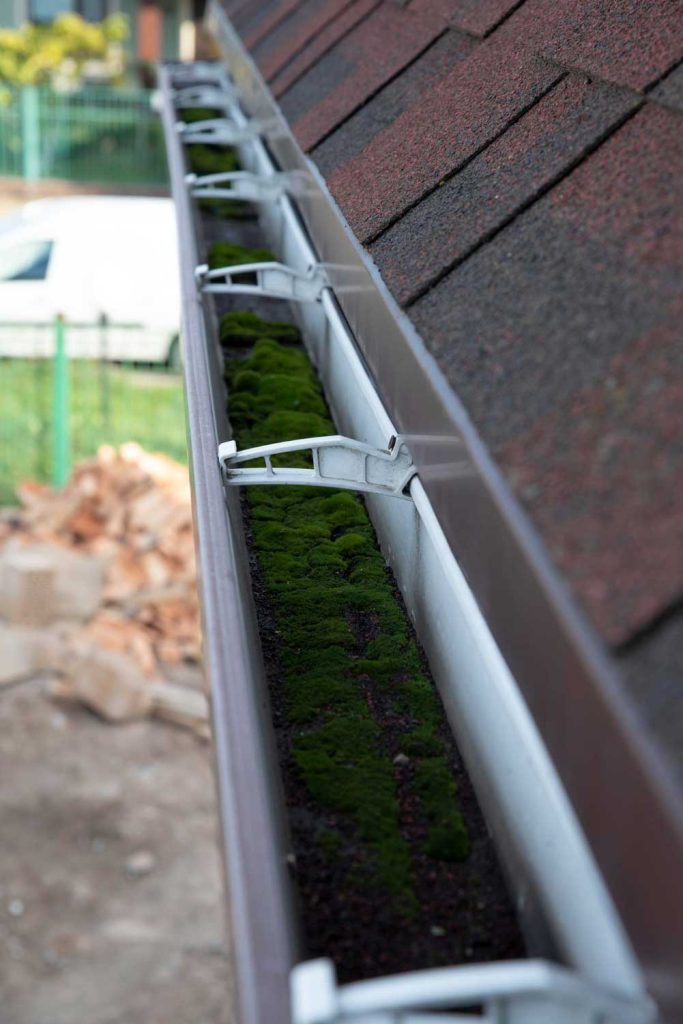
Granule loss is another subtle sign of trouble. If you notice excessive granules collecting in gutters or downspouts, it could mean your shingles are aging faster than expected. Granules protect shingles from UV damage, and once they are gone, deterioration accelerates quickly.
Routine roof checks do not require climbing onto the roof. From the ground, homeowners can often spot uneven lines, sagging sections, or debris buildup. Inside the home, water stains, musty smells, or peeling paint near ceilings may indicate a slow leak above.
Addressing roofing issues early is not about replacing the entire roof. In many cases, small repairs can significantly extend its lifespan. A minor fix today can prevent structural damage tomorrow. Regular inspections and prompt attention keep your roof performing as intended, protecting everything underneath it and giving homeowners peace of mind.